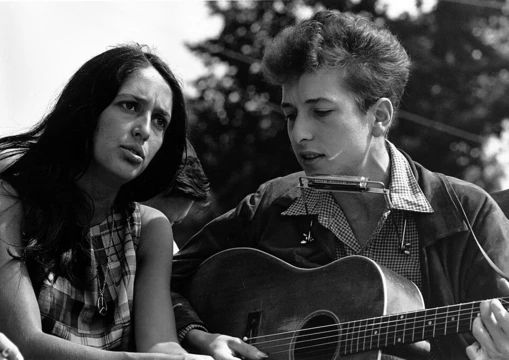
Leonard Cohen
Canadian poet, novelist, and singer-songwriter of enduring influence.

Wikipedia / Wikimedia Commons
Leonard Norman Cohen was a Canadian songwriter, singer, poet, and novelist. He is regarded as a major figure in music and literature, known for exploring themes of faith, mortality, love, and loss across a career spanning decades.
- born
- September 21, 1934
- died
- November 7, 2016
- field
- Songwriter, singer, poet, novelist
- nationality
- Canadian
- known_for
- Songs such as 'Hallelujah'; poetry collections including The Spice-Box of Earth; novels Beautiful Losers and The Favourite Game
Lore & Background
Leonard Norman Cohen was born into an Orthodox Jewish family in Westmount, Quebec, on September 21, 1934. His mother immigrated from Lithuania, and his father, a clothing store owner, died when Cohen was nine. He attended Roslyn Elementary School and later Westmount High School, where he studied music and poetry, taught himself acoustic guitar, and formed a country-folk group called the Buckskin Boys. He credited his mother for his love of music, recalling that she sang around the house and would often sing with him and his friends at restaurants.
Cohen enrolled at McGill University in 1951, where he became president of the McGill Debating Union and won the Chester MacNaghten Literary Competition. His first published book of poetry, Let Us Compare Mythologies, appeared in 1956. He later studied at Columbia University but left after a year, returning to Montreal to write. His poetry collection The Spice-Box of Earth (1961) and the novel The Favourite Game (1963) helped establish his literary reputation. He lived for a time on the Greek island of Hydra, where he wrote the novel Beautiful Losers (1966) and the poetry collection Parasites of Heaven.
Cohen did not begin a music career until 1966. His first album, Songs of Leonard Cohen (1967), was followed by folk albums including Songs from a Room (1969) and Songs of Love and Hate (1971). His most famous song, 'Hallelujah', appeared on the 1984 album Various Positions. Later albums included I'm Your Man (1988), The Future (1992), and Ten New Songs (2001). After discovering in 2005 that his manager had stolen most of his money, Cohen returned to touring between 2008 and 2013. He released three final albums before his death: Old Ideas (2012), Popular Problems (2014), and You Want It Darker (2016). A posthumous album, Thanks for the Dance, was released in November 2019.
Reader's Guide
Leonard Cohen's significance lies in his dual career as a poet and novelist before becoming a songwriter and singer, a path that gave his music a literary depth uncommon in popular music. His work consistently explored profound themes such as faith, mortality, isolation, betrayal, and love, resonating with audiences across generations. He was inducted into the Canadian Music Hall of Fame, the Canadian Songwriters Hall of Fame, and the Rock and Roll Hall of Fame, and was invested as a Companion of the Order of Canada, the nation's highest civilian honour. In 2011, he received the Prince of Asturias Award for literature and the ninth Glenn Gould Prize. Rolling Stone named him the 103rd-greatest singer of all time in 2023. His legacy endures through his extensive catalog of songs and poetry, which continue to be studied and performed worldwide. His ability to blend folk, jazz, and synthesized sounds, along with his lyrical exploration of human experience, has influenced countless artists. Cohen's life also included a notable financial setback when his manager stole his money, prompting a late-career tour that revitalized his connection with fans and led to a string of acclaimed final albums.
Did You Know?
- Cohen's paternal grandfather was Lyon Cohen, founding president of the Canadian Jewish Congress.
- He was told he was a descendant of Aaron, the high priest, and had a 'very Messianic childhood.'
- His first published book of poetry, Let Us Compare Mythologies (1956), was dedicated to his late father.
- Cohen's manager stole most of his money in 2005, prompting him to return to touring.
Frequently Asked Questions
Who is Leonard Cohen?
Leonard Norman Cohen (1934–2016) was a Canadian artist who worked across poetry, fiction, and songwriting. He is widely regarded as one of the most influential singer-songwriters and literary figures of the twentieth century.
What is Leonard Cohen most famous for?
He is perhaps best known for songs like "Hallelujah," but his legacy also includes acclaimed poetry collections such as The Spice-Box of Earth and novels like Beautiful Losers. His body of work spans several decades and crosses the line between literature and popular music.
When did Leonard Cohen die?
Cohen passed away on November 7, 2016, at the age of 82. He had been born in Montreal, Canada, on September 21, 1934.
What themes does Leonard Cohen explore in his work?
His songs and poems consistently circle around faith, mortality, love, and loss. He wove spiritual questioning and human vulnerability into both his literary and musical output.
Did Leonard Cohen start as a poet or a musician?
Cohen first made his name as a novelist and poet before transitioning into songwriting and performing music. His literary works, including The Favourite Game, preceded his musical career by several years.
More in Singer-Songwriters 1-21
Spotted an error? Know more?
This is a living reference — every entry is fact-audited, and reader corrections feed straight into our audit queue. Suggest an edit · See this site's audit record